

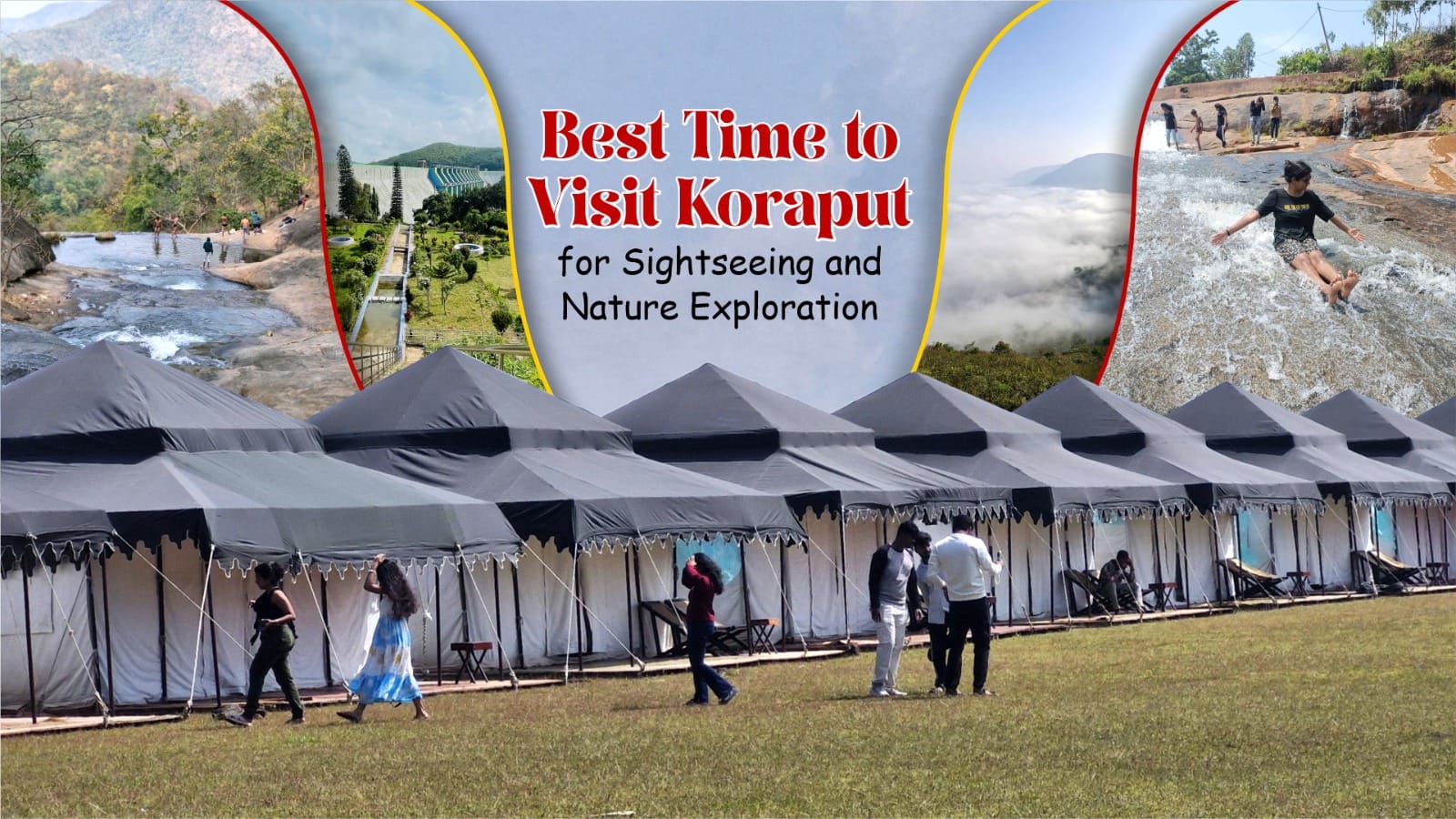
Known as the Switzerland of Odisha, Koraput is a land where time seems to soften its pace. Hills wear veils of mist, waterfalls follow the rhythm of seasons, and forests change their shades quietly through the year. Planning your journey around the Best Tme to Visit Koraput for Sightseeing and Nature exploration allows you to experience this region at its most beautiful, when the weather, landscapes, and outdoor opportunities align effortlessly.
Koraput does not look the same in every season, and that is its greatest charm. Each part of the year reveals a different mood of this serene destination.
Summer (March to June): Quiet and Underrated
Summer in Koraput is relatively mild compared to many other regions of Odisha, thanks to its elevation. While daytime temperatures rise, mornings and evenings remain pleasant. This season sees fewer tourists, making it ideal location for solo travelers seeking solitude, cultural immersion, and slow-paced travel.
Summer is suitable for visiting shaded forest areas, tribal villages, and water bodies like Kolab Reservoir and more. Sightseeing is best done during early mornings or late afternoons.
Monsoon (July to September): For Lush Greenery and Waterfalls
The monsoon season turns Koraput into a lush green haven. Hills become vibrant, rivers swell, and waterfalls such as Duduma, Raniduduma, and Talamitting flow in full force. For travelers who enjoy dramatic landscapes and fresh greenery, this can be a visually rewarding time.
Winter (October to February): The Most Favourable Season
Winter is undoubtedly the best time to visit Koraput for sightseeing and nature exploration. From October to February, the weather remains cool, pleasant, and ideal for outdoor activities. Days are bright yet gentle, while mornings often arrive wrapped in mist, adding a dreamlike charm to hills and valleys.
Unlike harsh winter travel in hill stations of geographically higher regions, Koraput winter travel is soothing, perfect for long drives, walking trails, sightseeing, and relaxed exploration without fatigue. This season allows travelers to cover more places comfortably while truly enjoying the journey.
Why Winter Enhances the Koraput Experience
Winter brings clarity, both in weather and views. Scenic hill stations like Deomali, Talamali, and Kalyamali offer expansive panoramas with excellent visibility. Waterfalls remain active after the monsoon, forests stay lush, and picnic spots feel inviting rather than exhausting.
This is also safer season for travel, with better road conditions and easier access to remote viewpoints and tribal regions. For photographers, winter light enhances textures- misty mornings, golden sunsets, and deep green landscapes create postcard-worthy moments across Koraput.
Tribal Exploration in Winter: Culture at Its Best
Winter is an ideal time to explore Koraput’s rich tribal heritage. Regions around Lamtaput, Onukudelli, and nearby villages come alive with weekly haats (markets), traditional attire, and cultural expressions. Communities such as the Gadaba and Bonda tribes can be observed going about their daily lives, offering travelers an authentic cultural experience.
The pleasant climate makes it easier to walk through markets, interact respectfully with locals, and witness traditional dances like Dhemsa without discomfort. Winter travel allows for deeper cultural immersion, where nature and human life feel closely woven together.
Spiritual Sights Amid Nature
Koraput is not only a land of scenic beauty but also of deep spiritual significance. Winter is the best time to explore its sacred sites peacefully.
Sabara Srikhetra, associated with Lord Jagannath, holds immense spiritual importance and offers a calm, reflective atmosphere surrounded by natural beauty. The cool winter air enhances the serenity of this sacred space.
Gupteshwar Cave Temple, nestled within dense forests near the Sabari River, feels especially tranquil during winter. The journey through forest paths and the quiet of the cave create a deeply meditative experience. With reduced humidity and comfortable temperatures, winter makes visiting such spiritual sites both pleasant and meaningful.
Camping at Talamali: Winter Under the Stars
One of the most unforgettable winter experiences in Koraput is camping at Talamali Hills. With open grasslands, dramatic cliffs, and endless skies, Talamali feels raw and untouched. Winter nights here are cool and clear, perfect for stargazing and quiet reflection.
Camping experiences arranged by Gokoraput make staying at Talamali both safe and immersive. From thoughtfully selected camping spots to comfortable arrangements, Gokoraput ensures that travelers can enjoy nature without worry. Bonfires under star-filled skies, misty mornings overlooking valleys, and the stillness of the hills make winter camping at Talamali deeply soulful and memorable.
Final Thoughts
When it comes to choosing the best time to visit Koraput for sightseeing and nature exploration, all seasons offer something impressive, but winter offers the most complete experience. From mist-covered hills and flowing waterfalls to tribal culture, spiritual landmarks, and serene camping at Talamali, everything feels aligned during this season.
Winter allows Koraput to reveal itself gently by inviting travelers to slow down, enjoy, explore deeply, and connect with both nature and culture. For those seeking meaningful travel wrapped in calm beauty, winter in Koraput is not just ideal, but magical.